Exploring the World: The Ways Studying Abroad Can Expand Your Mindset
- By Admin
- March 13, 2026
Studying in Australia is a dream for thousands of international students every year. With globally ranked universities, a diverse culture, and strong career opportunities, Australia has become one of the most attractive destinations for higher education. However, before packing your bags and boarding your flight, there is one crucial requirement every international student must fulfill: health insurance.
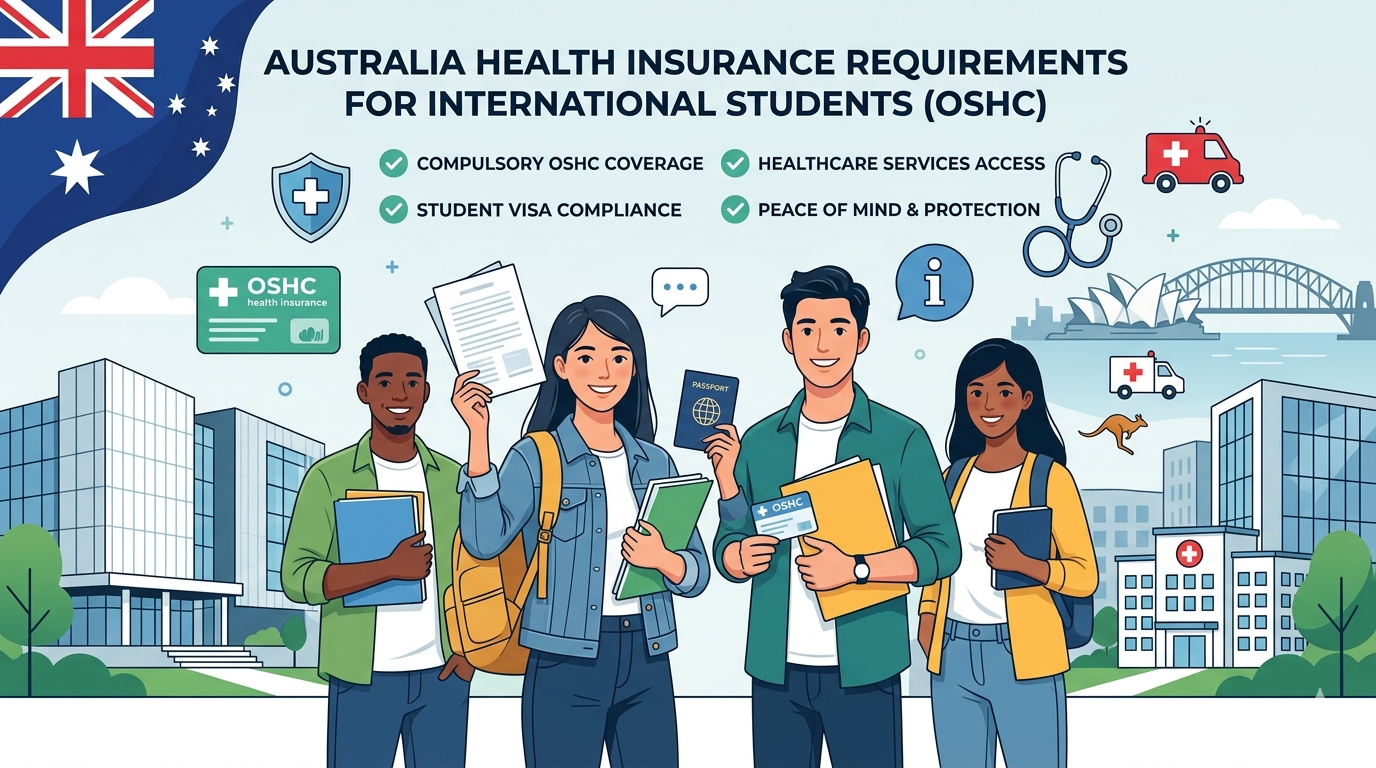
Australia has a well-structured healthcare system, but it can be expensive for non-residents. A single hospital visit or emergency treatment could cost hundreds or even thousands of dollars without insurance. To ensure students are protected financially and medically during their studies, the Australian government requires international students to obtain Overseas Student Health Cover (OSHC).
This insurance acts as a safety net. Imagine moving to a new country and suddenly falling sick without medical coverage. The cost alone could disrupt your studies and finances. That’s exactly why the government has made OSHC mandatory for student visa holders. It ensures that students can access doctors, hospitals, and essential treatments while staying compliant with visa conditions.
For students from Nepal planning to study abroad, understanding the health insurance requirement is an essential step in the application journey. Many students start their research through trusted education resources such as New Era Education, which provides guidance on university admissions, visa documentation, and study-abroad preparation.
This comprehensive guide explains everything you need to know about Australia health insurance requirements for students, including OSHC coverage, costs, visa rules, and how to arrange insurance before arriving in Australia. By the end of this article, you will clearly understand how to stay compliant with immigration regulations while protecting your health and finances during your academic journey.
Understanding Overseas Student Health Cover (OSHC)
Moving to a new country involves more than choosing a university or booking flights. One of the most important yet often overlooked aspects of studying abroad is healthcare protection. Australia requires international students to obtain a specific type of insurance known as Overseas Student Health Cover (OSHC). This policy ensures that students have access to medical services without facing overwhelming financial burdens.
Healthcare in Australia is high quality but expensive for people who are not permanent residents. A simple general practitioner (GP) visit may cost between AUD 70 and AUD 120 without insurance, while hospital treatment could reach thousands of dollars depending on the procedure. OSHC helps cover many of these costs, making healthcare affordable for students during their stay.
OSHC is not just recommended—it is legally required for most international students applying for an Australian student visa. Immigration authorities require proof that the student has arranged valid health insurance for the entire duration of their stay. Without this, the visa application may be refused.
The purpose of OSHC goes beyond financial protection. It also helps students integrate into Australia’s healthcare system smoothly. With the right insurance plan, students can visit doctors, access hospital care, and receive medications when necessary. This means they can focus on their studies rather than worrying about unexpected medical bills.
For many Nepali students preparing to study abroad, understanding OSHC becomes part of the visa preparation process. Education consultants and resources such as the New Era Education Blog often guide students through insurance requirements alongside university applications and visa documentation.
Another advantage of OSHC is that it allows students to maintain their well-being while adapting to a new environment. International students often experience lifestyle changes, climate differences, and academic pressure. Having reliable medical coverage provides peace of mind and ensures that help is available when needed.
In short, OSHC functions as both a legal requirement and a practical safety measure. It ensures students remain healthy, protected, and financially secure throughout their study journey in Australia. Understanding how this insurance works is the first step toward fulfilling Australia’s health insurance requirements.
What Is Overseas Student Health Cover (OSHC)?
Overseas Student Health Cover (OSHC) is a type of health insurance specifically designed for international students studying in Australia. It is approved by the Australian government and offered by selected private insurance providers. The main goal of OSHC is to help international students pay for medical and hospital care while living in Australia.
Think of OSHC as a bridge between international students and Australia’s healthcare system. Australian citizens and permanent residents use a public healthcare program called Medicare, but most international students are not eligible for it. Instead, they must rely on OSHC to access similar healthcare services.
The insurance typically covers a wide range of essential medical services, including doctor consultations, hospital treatment, ambulance services, and limited prescription medications. These benefits ensure that students receive necessary medical care without facing the full cost of treatment.
Several Australian insurance companies are authorized to provide OSHC. Some of the most recognized providers include:
- Bupa Australia
- Medibank
- Allianz Care Australia
- nib OSHC
- CBHS International Health
Although these companies offer similar basic coverage, their pricing, additional benefits, and claim processes may vary. Students can choose the provider that best fits their budget and healthcare needs.
OSHC policies are usually purchased for the entire duration of the student visa. For example, if a student plans to study a three-year bachelor’s degree, they must obtain insurance that covers the full three-year period. This requirement ensures there are no gaps in health coverage during their stay.
Another important aspect of OSHC is that it can also include family members. If a student travels to Australia with a spouse or children, they must purchase a family OSHC plan to cover all dependents.
For Nepali students planning their Australian education journey, understanding OSHC early can make the visa process smoother. Many students rely on experienced study-abroad advisors such as New Era Education to help them arrange OSHC alongside university admissions and visa documentation.
In simple terms, OSHC is more than just insurance—it is a requirement that protects students from unexpected healthcare costs while helping them comply with Australian immigration regulations. Without it, studying in Australia simply isn’t possible.
Why OSHC Is Mandatory for International Students
Australia is known for having one of the most advanced healthcare systems in the world. Hospitals are well equipped, doctors are highly trained, and medical facilities maintain strict quality standards. However, high-quality healthcare often comes with high costs. Without insurance, even routine medical services can become financially overwhelming for international students.
To address this issue, the Australian government made Overseas Student Health Cover (OSHC) mandatory for most international students. This rule ensures that students can access healthcare services while protecting the national healthcare system from unpaid medical expenses.
The requirement is directly connected to the Student Visa Subclass 500. According to the Department of Home Affairs, students must maintain valid OSHC for the entire duration of their stay in Australia. If the insurance expires or becomes invalid, it may lead to visa complications or even cancellation.
There are several reasons why the government enforces this rule:
First, it ensures financial protection for students. Medical emergencies can occur at any time—an accident, sudden illness, or unexpected infection. With OSHC, students are protected from paying the full cost of treatment.
Second, it reduces pressure on Australia’s public healthcare system. Since international students do not pay the same taxes as citizens, OSHC ensures they contribute to their own healthcare expenses.
Third, it promotes student well-being and academic success. A healthy student is more likely to perform well academically. When medical support is easily accessible, students can focus on their education rather than worrying about healthcare costs.
Another important aspect is compliance with immigration policies. During the visa application process, students must submit proof that they have purchased OSHC. Immigration officers verify this documentation before approving the visa.
For students from Nepal exploring study opportunities abroad, professional guidance can make this process easier. Education consultancies such as New Era Education frequently help students understand visa conditions, including health insurance requirements, admission procedures, and travel preparation.
OSHC also creates a sense of security for families sending their children overseas. Parents know that if their child falls sick or requires medical attention, they will have access to professional healthcare services.
The bottom line is clear: OSHC is not optional. It is a legal requirement, a financial safeguard, and a support system that helps international students live safely and confidently while studying in Australia.
Who Must Purchase OSHC in Australia
When planning to study in Australia, many international students assume health insurance might be optional or only required in certain cases. In reality, Overseas Student Health Cover (OSHC) is mandatory for almost all international students who intend to study in Australia under a student visa. The Australian government has implemented strict rules to ensure every eligible student maintains adequate healthcare coverage throughout their stay. This requirement protects both students and the healthcare system, ensuring that medical expenses do not become an overwhelming burden.
Primarily, all international students applying for the Student Visa (Subclass 500) must purchase OSHC before their visa can be approved. Immigration authorities require proof that the insurance policy will remain active for the entire duration of the student’s stay in Australia. Without this documentation, the visa application will generally not move forward. This means health insurance is not something you arrange after arriving in Australia—it must be organized before the visa approval stage.
The requirement also extends beyond the student themselves. If a student plans to bring family members, such as a spouse or children, those dependents must also be covered under an OSHC policy. In these cases, the student must purchase a family OSHC plan instead of a single policy. Family policies ensure that every member traveling with the student has access to healthcare services if needed.
There are a few rare situations where OSHC may not be required. Students from certain countries that have reciprocal healthcare agreements with Australia, such as the United Kingdom, Sweden, Norway, Belgium, the Netherlands, Finland, Italy, Malta, and Slovenia, may be eligible for limited access to Medicare. However, even in these cases, many students still purchase additional health insurance to ensure broader coverage.
For most students from countries like Nepal, India, Bangladesh, and many parts of Asia and Africa, OSHC is absolutely mandatory. Students cannot bypass this requirement because it is directly linked to immigration regulations.
Many students preparing for Australian education often learn about these requirements through reliable education guidance platforms. For instance, those planning their study journey frequently explore resources like https://newera.edu.np/blog/ where topics such as visa documentation, university selection, and health insurance requirements are explained in detail.
Understanding who needs OSHC is crucial because failing to maintain valid coverage can lead to serious consequences. If a student’s insurance expires while they are still studying in Australia, it may violate visa conditions. In such cases, students must renew or extend their coverage immediately to remain compliant with immigration rules.
Ultimately, every international student should treat OSHC as a fundamental part of their study-abroad preparation, just like university admission letters, visa applications, and travel arrangements. Ensuring the right coverage early can prevent complications later and allow students to focus fully on their academic experience in Australia.
OSHC Requirements for Australian Student Visa
Health insurance is closely tied to Australia’s immigration system, particularly for international students. When applying for an Australian student visa, one of the key conditions applicants must meet is maintaining valid health insurance through Overseas Student Health Cover (OSHC). This requirement ensures that students are financially prepared to handle healthcare costs while studying in the country.
The Australian government takes this requirement seriously. During the student visa application process, applicants must provide evidence that they have purchased OSHC from an approved provider. The insurance must begin either from the date the student arrives in Australia or from the start date required by the visa conditions. Immigration officers carefully review this documentation to ensure that students are fully covered.
Another important rule is that OSHC must remain active for the entire duration of the student visa. If a student’s course lasts three years, the insurance policy must cover that full period. If the student later extends their course or enrolls in another program, they must also extend their OSHC accordingly.
Students should also understand that OSHC cannot be replaced by standard travel insurance. Travel insurance typically covers short-term travel issues such as lost luggage or flight cancellations. OSHC, on the other hand, is specifically designed to meet the healthcare requirements of international students living in Australia for extended periods.
Because visa conditions can sometimes feel complex, many students seek professional guidance when preparing their application. Education consultancies such as https://newera.edu.np/ assist students with university admissions, visa preparation, and health insurance documentation, ensuring everything aligns with Australian immigration rules.
Maintaining valid OSHC throughout the visa period is not just a formality—it is a legal responsibility. If the insurance lapses or becomes invalid, students may be considered in breach of their visa conditions. This could potentially lead to visa cancellation or other immigration issues.
For this reason, students should always keep track of their insurance validity and renew it before it expires. Many OSHC providers offer online portals where students can check policy details, renew coverage, and submit medical claims easily.
Understanding these visa-related insurance requirements helps students avoid unnecessary complications. By arranging OSHC correctly and maintaining continuous coverage, international students can ensure their stay in Australia remains both legally compliant and medically secure.
Student Visa Subclass 500 Health Insurance Rules
The Student Visa Subclass 500 is the primary visa category for international students who want to study in Australia. This visa allows students to enroll in full-time courses at recognized educational institutions, work limited hours during study periods, and stay in Australia for the duration of their program. However, one of the non-negotiable conditions attached to this visa is maintaining valid health insurance through Overseas Student Health Cover (OSHC).
The Australian Department of Home Affairs clearly states that every Subclass 500 visa holder must have OSHC for the entire duration of their stay. This rule ensures that international students can access healthcare services without relying on Australia’s public healthcare funding. Since students on this visa are considered temporary residents, they must have private insurance specifically designed for international students.
There are several important rules associated with OSHC under the Subclass 500 visa. First, students must purchase insurance from a government-approved provider before submitting their visa application. Approved providers include well-known companies such as Allianz Care, Bupa, Medibank, nib, and CBHS International Health.
Second, the insurance must cover the student from the moment they arrive in Australia until the day they leave the country or their visa expires. If there are any gaps in coverage, immigration authorities may consider it a violation of visa conditions.
Third, students must maintain continuous coverage. If a student changes courses, transfers universities, or extends their stay for further studies, they must update their OSHC policy accordingly.
Education consultants and student advisors often help applicants understand these requirements during the visa preparation stage. Platforms like New Era Education provide detailed resources for students planning to study abroad, including guidance on visa rules, admission processes, and health insurance arrangements.
Another important rule is that OSHC must meet minimum coverage standards set by the Australian government. This ensures that students receive access to essential healthcare services such as doctor visits, hospital treatment, and certain medications.
Students who fail to maintain OSHC may face serious consequences, including visa cancellation. Therefore, it is essential to treat this insurance as a critical part of maintaining legal status in Australia.
Understanding the health insurance rules under the Student Visa Subclass 500 helps students avoid unexpected issues during their studies. When students plan their insurance correctly from the beginning, they can focus on what truly matters—their education, personal growth, and life experience in Australia.
Required Duration of Health Insurance Coverage
One of the most important aspects of Australia’s health insurance requirement for students is the duration of coverage. The Australian government requires international students to maintain Overseas Student Health Cover (OSHC) for the entire period of their stay under the student visa. This means the insurance must remain valid from the moment the student arrives in Australia until the day their visa expires or they leave the country.
Many students initially misunderstand this requirement. Some believe that purchasing insurance for the duration of their course alone is enough. However, Australian immigration rules usually require coverage for the full visa length, which often includes additional weeks or months beyond the course end date. These extra weeks allow students time to prepare for departure or transition to another visa if needed.
For example, if a student enrolls in a two-year master’s program, their visa might extend slightly beyond the official course completion date. In such cases, the OSHC policy must also extend for that entire visa period. If the coverage ends earlier, the student will need to renew the insurance to remain compliant with visa conditions.
Students who extend their studies must also extend their OSHC. This commonly happens when students:
- Enroll in another academic program
- Transfer to a different institution
- Extend their visa for research or academic purposes
Failing to update the insurance coverage in these situations can create complications with immigration authorities.
Most OSHC providers offer flexible renewal options. Students can easily extend their policy online or through their insurance provider’s customer support service. Universities often remind students to maintain valid health insurance as well, since it is part of the enrollment compliance process.
For international students planning their Australian education journey, it is always wise to arrange OSHC carefully from the beginning. Study-abroad advisors such as https://newera.edu.np/ often help students calculate the correct coverage duration when preparing visa documentation.
Maintaining the right coverage duration ensures that students remain legally compliant and financially protected throughout their stay. It also provides peace of mind, knowing that medical support will always be available if needed during their academic journey in Australia.
Proof of OSHC During Visa Application
When applying for an Australian student visa, submitting proof of Overseas Student Health Cover (OSHC) is a critical step that cannot be skipped. Immigration authorities require concrete evidence that the applicant has purchased a valid OSHC policy from an approved provider before the visa can be granted. This requirement exists to ensure that international students will not face financial hardship due to medical expenses while studying in Australia.
Proof of OSHC usually comes in the form of a policy certificate or confirmation letter issued by the insurance provider. This document contains several important details, including the student’s name, the policy number, the insurance provider, the start and end date of the coverage, and the type of OSHC plan purchased. When submitting a visa application through the Australian immigration portal, students must upload this document as part of their supporting evidence.
In many cases, universities and education consultants assist students in arranging OSHC before the visa application is submitted. For example, students working with professional guidance platforms such as https://newera.edu.np/ often receive support in purchasing OSHC from approved providers and ensuring that all documentation is correctly prepared for visa submission. This assistance can reduce errors and improve the chances of a smooth visa approval process.
Another important point is that the insurance policy must align with the duration of the student’s visa. If the coverage period is shorter than the visa duration, immigration authorities may request additional documentation or require the student to extend their insurance policy before approving the visa.
Students should also keep a digital and printed copy of their OSHC certificate. Immigration officials may request this document when the student arrives in Australia at the airport. Additionally, universities sometimes ask for proof of insurance during enrollment or orientation.
The Australian Department of Home Affairs uses this proof to verify that students meet the health insurance condition attached to the Student Visa Subclass 500. Without valid documentation, the visa application could be delayed or even refused.
Because this step is closely linked to visa approval, students should double-check their policy details before submission. The name on the insurance certificate must exactly match the name on the passport, and the coverage dates must be accurate.
Providing clear proof of OSHC demonstrates that the student understands and complies with Australian immigration requirements. It also reassures authorities that the student is financially prepared to manage healthcare needs during their stay in Australia.
What OSHC Covers for International Students
Understanding what Overseas Student Health Cover (OSHC) actually includes is just as important as knowing that it is mandatory. While OSHC provides valuable medical coverage, it does not cover every possible healthcare expense. Instead, it focuses on essential medical services that international students may need during their time in Australia.
The primary purpose of OSHC is to help students access healthcare services similar to those available under Australia’s public healthcare system, Medicare. However, since international students are generally not eligible for Medicare, OSHC acts as their main form of medical protection.
Most standard OSHC policies cover three major areas: doctor consultations, hospital treatment, and certain prescription medications. These services ensure that students can receive professional medical care without paying the full cost out of pocket.
Doctor visits, often called GP consultations, are one of the most common medical services covered by OSHC. Students can visit a general practitioner if they feel sick, have minor injuries, or require medical advice. Depending on the provider and clinic, some visits may be fully covered, while others may require a small out-of-pocket payment known as a “gap fee.”
Hospital treatment is another major benefit of OSHC. If a student needs surgery, emergency treatment, or specialized medical care, the insurance can help cover part or all of the hospital expenses. Considering that hospital stays in Australia can cost thousands of dollars, this coverage is extremely important.
OSHC also includes limited pharmaceutical benefits. If a doctor prescribes medication, the insurance can reimburse part of the cost, reducing the amount the student needs to pay at the pharmacy.
Many OSHC providers also include ambulance coverage, which is crucial because ambulance services in Australia can be very expensive. In some states, ambulance transport can cost hundreds or even thousands of dollars depending on the distance and medical care required during the trip.
Despite these benefits, OSHC has limitations. It may not cover certain services such as dental care, physiotherapy, eye exams, or cosmetic procedures unless students purchase additional coverage. Understanding these limitations helps students avoid unexpected expenses.
For students preparing to study abroad, research and proper planning are essential. Many aspiring international students gather information through educational resources like the New Era Education Blog, where topics related to studying in Australia—such as visa requirements, living expenses, and insurance policies—are regularly discussed.
Ultimately, OSHC provides a reliable safety net. It ensures that international students can receive medical treatment when needed without facing overwhelming healthcare costs during their academic journey in Australia.
Doctor Visits and Medical Services
One of the most important benefits of Overseas Student Health Cover (OSHC) is access to doctor visits and general medical services. When international students move to Australia, they may experience new climates, unfamiliar food, and lifestyle changes. These adjustments can sometimes lead to minor health issues such as colds, allergies, infections, or stress-related conditions. Having access to a doctor ensures students can quickly address these problems before they become serious.
In Australia, the first point of medical contact is usually a General Practitioner (GP). A GP is a trained medical doctor who diagnoses common illnesses, provides treatment, and refers patients to specialists if necessary. OSHC helps cover the cost of GP consultations, making it easier for international students to receive professional medical advice.
Typically, a GP visit in Australia may cost between AUD 70 and AUD 120 without insurance. With OSHC, students can claim a significant portion of this fee. Some medical clinics even offer bulk billing, which means the insurance provider pays the full consultation cost and the student does not have to pay anything out of pocket.
Doctor visits covered under OSHC may include:
- Diagnosis and treatment of common illnesses
- Medical advice and health assessments
- Referrals to medical specialists
- Basic medical procedures
If a GP determines that a student requires specialized treatment, they may refer the student to a specialist doctor such as a dermatologist, cardiologist, or orthopedic surgeon. OSHC can help cover part of these consultation costs, although students may still need to pay a portion depending on the specialist and treatment type.
Another advantage of having access to regular medical services is preventive care. Students can seek medical advice early, which often prevents minor health problems from becoming major issues. This proactive approach is especially valuable for students who are adjusting to a new environment far from home.
Education consultancies that guide students through the study-abroad process often emphasize the importance of understanding healthcare systems before departure. Many students exploring Australian education opportunities through https://newera.edu.np/ receive guidance not only on admissions and visas but also on essential matters like health insurance and accessing medical services abroad.
Doctor visits are one of the most frequently used benefits of OSHC, making this coverage an essential component of student life in Australia. By ensuring affordable access to healthcare professionals, OSHC helps international students maintain their health, stay focused on their studies, and fully enjoy their educational experience abroad.
Prescription Medicines and Pharmacy Benefits
Healthcare often involves more than just visiting a doctor. In many cases, treatment requires prescription medicines, which can add to the overall cost of healthcare. Fortunately, Overseas Student Health Cover (OSHC) includes partial coverage for certain prescription medications, helping international students manage these expenses more easily while studying in Australia.
When a student visits a doctor and receives a prescription, they can take it to a registered pharmacy to obtain the recommended medication. In Australia, pharmacies are widely available and professionally regulated to ensure safe and accurate distribution of medicines. However, prescription medications can sometimes be expensive, especially for specialized treatments.
OSHC helps reduce these costs by offering pharmaceutical benefits. While the insurance may not cover the entire price of every medication, it typically reimburses a portion of the cost up to a specified annual limit. The exact amount varies depending on the insurance provider and policy plan.
For example, if a medication costs AUD 50, the insurance policy may reimburse a significant portion of that amount after the student submits a claim. This system helps make essential treatments more affordable for international students who may already be managing tuition fees, accommodation costs, and other living expenses.
Common medications covered under OSHC include treatments for:
- Infections such as antibiotics
- Pain relief medications
- Allergy treatments
- Certain chronic condition medications
However, there are some limitations. Over-the-counter medicines—such as vitamins, supplements, or non-prescription painkillers—are generally not covered by OSHC. The medication must usually be prescribed by a registered doctor to qualify for reimbursement.
Students should also keep the pharmacy receipt and prescription documentation when purchasing medications. These documents are required when submitting a claim to the insurance provider.
Many OSHC providers offer online or mobile claim systems, allowing students to upload receipts and receive reimbursements quickly. This convenient process helps ensure that students can focus on their studies rather than worrying about complicated insurance procedures.
For students preparing to study in Australia, understanding these healthcare benefits in advance can make the transition smoother. Educational guidance platforms like New Era Education often provide helpful insights about living expenses, healthcare systems, and student support services for those planning to study abroad.
Prescription medicine coverage is an essential component of OSHC. It ensures that international students can access necessary treatments when illness occurs, reducing financial stress and helping them maintain their health during their academic journey in Australia.
Ambulance and Hospital Treatment
Medical emergencies can happen unexpectedly, even to healthy students. Accidents, sudden illnesses, or severe health complications may require immediate hospitalization or emergency transportation. In Australia, these services are highly professional and reliable, but they can also be extremely expensive. This is why Overseas Student Health Cover (OSHC) includes important coverage for ambulance services and hospital treatment, ensuring international students are protected during serious medical situations.
Ambulance services in Australia are not automatically free for international visitors. Depending on the state and distance traveled, an ambulance ride can cost between AUD 400 and AUD 2,000 or even more. Without insurance, this expense can be shocking for students who may already be managing tight budgets while studying abroad. OSHC policies typically cover emergency ambulance transportation, allowing students to receive urgent care without worrying about the immediate cost.
Hospital treatment is another critical area covered by OSHC. If a student requires admission to a hospital due to illness, injury, or surgery, the insurance can cover many of the associated costs. Hospital care in Australia includes services such as doctor consultations, surgical procedures, nursing care, and accommodation in a hospital ward. Without insurance, hospital stays can cost thousands of dollars depending on the complexity of treatment and the duration of the stay.
Under OSHC, international students generally receive coverage for medically necessary hospital treatments in public hospitals. This means that if a doctor determines that hospitalization is required, the insurance provider will contribute toward the cost of treatment. However, it is important to understand that OSHC usually covers treatment in public hospitals rather than private hospital upgrades, unless additional insurance options are purchased.
Another advantage of OSHC hospital coverage is that it helps students access specialist care when necessary. If a medical condition requires attention from a specialist doctor—such as a surgeon, cardiologist, or orthopedic expert—the insurance may contribute to consultation and treatment costs as part of the hospital care process.
Students who are planning their studies in Australia should always be aware of how emergency healthcare works. Educational advisors and consultants frequently provide this information during pre-departure sessions. Platforms such as https://newera.edu.np/ guide students through essential aspects of studying abroad, including health insurance, visa rules, and life in Australia.
Ambulance and hospital coverage provide peace of mind for both students and their families. Knowing that emergency medical services are financially supported by insurance allows students to live confidently while pursuing their education in a foreign country. With OSHC in place, students can focus on their academic journey while remaining protected from unexpected medical emergencies.
What OSHC Does Not Cover
Although Overseas Student Health Cover (OSHC) provides valuable healthcare protection, it is important for international students to understand that the policy does not cover every type of medical expense. Like most insurance plans, OSHC has specific limitations and exclusions. Knowing these limitations in advance helps students avoid unexpected medical costs while studying in Australia.
One of the most common misunderstandings among international students is assuming that OSHC works exactly like comprehensive private health insurance. In reality, OSHC is designed to provide basic medical coverage, primarily focusing on essential healthcare services such as doctor visits, hospital treatment, and certain prescription medicines. Additional services may require separate insurance or out-of-pocket payments.
For example, dental care is usually not included in standard OSHC policies. Treatments such as teeth cleaning, fillings, orthodontics, and dental surgeries are generally excluded unless the student purchases additional coverage. Considering that dental treatments can be expensive in Australia, some students choose to add extra insurance plans that specifically cover dental services.
Another area typically not covered by basic OSHC is optical care, including eye examinations, prescription glasses, or contact lenses. Students who require vision correction often need to pay for these services themselves or purchase optional insurance add-ons that include optical benefits.
Similarly, services such as physiotherapy, chiropractic treatment, acupuncture, and alternative therapies may not be covered under standard OSHC policies. These treatments may be partially covered only if students choose more comprehensive private health insurance plans.
Cosmetic or elective procedures are also excluded. Treatments such as cosmetic surgery, aesthetic dermatology procedures, or non-essential medical interventions are generally not covered because they are not considered medically necessary.
Another important limitation involves pre-existing medical conditions. Some OSHC providers impose waiting periods before covering treatments related to conditions that existed before the student arrived in Australia. This means students may need to wait several months before receiving insurance coverage for those specific health issues.
Understanding these exclusions is essential for proper financial planning. Students should carefully review their policy details and consider whether they need additional insurance coverage based on their personal health needs.
Students preparing for international education often explore reliable guidance platforms that explain such requirements clearly. Resources available through New Era Education’s blog help prospective students understand not only visa procedures but also important practical aspects such as health insurance, living costs, and student life in Australia.
By understanding both the benefits and limitations of OSHC, international students can make informed decisions about their healthcare coverage. This knowledge ensures they are better prepared to manage medical expenses while focusing on their academic goals abroad.
Common Exclusions Students Should Know
While OSHC provides significant support for medical expenses, there are several common exclusions that students should be aware of before relying entirely on their insurance policy. These exclusions are not unique to one provider; they are generally consistent across most government-approved OSHC plans in Australia.
One of the most common exclusions involves routine dental treatments. Dental services such as teeth cleaning, fillings, root canals, orthodontics, and cosmetic dental procedures are typically not included in basic OSHC plans. Students who expect to require dental care during their stay often choose separate dental insurance or additional coverage packages offered by their provider.
Another major exclusion is eye care and optical services. Vision tests, prescription glasses, and contact lenses are usually not covered under standard OSHC policies. Since many students rely on corrective lenses for daily activities, it is important to plan for these expenses in advance.
Physiotherapy and rehabilitation services may also fall outside the standard OSHC coverage. Treatments used for sports injuries, muscle rehabilitation, or chronic physical pain are typically excluded unless students purchase extended private health insurance plans.
Cosmetic and elective procedures represent another category of exclusions. These include treatments such as cosmetic surgery, aesthetic dermatology treatments, and procedures that are not medically necessary. Insurance companies generally classify these treatments as optional, which means the patient must pay the full cost.
Another area students should carefully consider is pregnancy-related services. While some OSHC policies may cover pregnancy and childbirth, they usually include waiting periods, which can extend up to 12 months before coverage becomes active. This means students planning families during their studies must plan their insurance coverage accordingly.
Students should also be aware that pre-existing medical conditions may not be covered immediately. Insurance providers often impose waiting periods before covering treatments related to these conditions. This policy helps insurance companies manage risks but can sometimes surprise students who expect immediate coverage.
These exclusions highlight the importance of carefully reading the terms of an OSHC policy. Students should evaluate their personal health needs and consider whether they require additional insurance coverage.
Education consultancies often explain these details during study-abroad preparation sessions. Organizations such as https://newera.edu.np/ help students understand the full scope of living and studying in Australia, including health insurance requirements and healthcare expenses.
By understanding common exclusions in advance, students can make smarter decisions about their insurance plans and avoid unexpected medical costs while living abroad.
Cost of OSHC for International Students in Australia
One of the most common questions international students ask when preparing to study in Australia is: How much does Overseas Student Health Cover (OSHC) cost? While the price varies depending on several factors, understanding the typical cost structure helps students budget effectively before arriving in Australia.
OSHC is generally considered affordable compared to the potential cost of healthcare without insurance. Medical services in Australia can be expensive for international visitors, and a single hospital visit could cost thousands of dollars. By paying a relatively modest annual insurance fee, students gain access to essential healthcare services while protecting themselves from major financial risks.
On average, the annual cost of OSHC for a single international student ranges between AUD 500 and AUD 700 per year. This price may vary depending on the insurance provider, the length of coverage, and whether the student chooses additional benefits beyond the standard policy.
For students traveling with family members, the cost naturally increases. A couple OSHC policy may cost approximately AUD 2,500 to AUD 3,500 per year, while a family policy covering spouses and children could reach AUD 4,000 or more annually. Although these costs might seem significant, they are still much lower than the potential cost of medical care without insurance.
The total price also depends on the duration of the policy. Since students must maintain coverage for the entire length of their visa, many choose to purchase multi-year policies when applying for their visa. Some universities even arrange OSHC automatically during the admission process and include it in the student’s initial fee payment.
International students should also note that OSHC prices are regulated to some extent by the Australian government. Approved insurance providers must meet minimum coverage requirements, ensuring that all students receive adequate medical protection regardless of the provider they choose.
Students researching Australian education opportunities often explore practical topics such as living costs, tuition fees, and insurance expenses. Educational resources like the New Era Education blog help prospective students understand these financial considerations before they begin their journey abroad.
Another important tip is to compare OSHC providers before purchasing a policy. While the basic coverage is similar across providers, differences may exist in areas such as claim processing speed, customer support, mobile app functionality, and optional add-ons.
Budget planning is a critical part of preparing for international study. By understanding the typical cost of OSHC, students can include health insurance in their financial planning and avoid surprises during the visa application process.
Ultimately, OSHC represents not just a visa requirement but an investment in health security and peace of mind during a student’s academic journey in Australia.
Average OSHC Price by Major Providers
Australia has several government-approved OSHC providers, each offering similar basic coverage but slightly different pricing structures and additional benefits. Understanding the price differences between these providers helps students make informed decisions when selecting their insurance policy.
Below is a comparison of some major OSHC providers and their approximate annual costs for a single student. These figures are estimates and may vary depending on the policy duration and updates from the insurance companies.
| OSHC Provider | Approximate Annual Cost (Single Student) | Key Features |
| Allianz Care Australia | AUD 550 – AUD 650 | Fast claims processing, wide hospital network |
| Bupa Australia | AUD 600 – AUD 700 | Large healthcare network, easy mobile app |
| Medibank OSHC | AUD 580 – AUD 680 | Strong reputation, extensive student support |
| nib OSHC | AUD 520 – AUD 630 | Competitive pricing, simple claim system |
| CBHS International Health | AUD 540 – AUD 640 | Good student-focused healthcare services |
Although the coverage provided by these companies must meet government standards, students often compare providers based on customer experience and convenience. For instance, some companies offer faster reimbursement processes, while others provide mobile apps that allow students to submit claims instantly.
Universities sometimes partner with specific OSHC providers and automatically include insurance in the student’s Confirmation of Enrolment (CoE) package. While this can simplify the process, students are generally free to choose a different approved provider if they prefer.
Students working with education consultants often receive guidance in selecting the most suitable provider. Platforms such as https://newera.edu.np/ frequently assist students in comparing insurance providers, understanding policy benefits, and arranging coverage before submitting their visa application.
Another factor students consider is additional coverage options. Some providers allow students to purchase extra insurance for services that are not included in standard OSHC plans, such as dental care, physiotherapy, or optical services.
Price should not be the only factor when choosing a provider. Students should also evaluate the company’s reputation, customer service availability, and network of hospitals and clinics.
By comparing providers carefully, students can choose a policy that fits both their budget and healthcare needs, ensuring they remain protected while studying in Australia.
Factors That Affect OSHC Cost
While average OSHC prices provide a general idea of the cost, the actual price of a policy can vary depending on several factors. Understanding these factors helps international students better estimate how much they will need to spend on health insurance before studying in Australia.
One of the most significant factors affecting the cost is the length of coverage. Since OSHC must remain active for the entire duration of the student visa, longer programs naturally require more expensive policies. For example, a one-year diploma program will require significantly less insurance coverage than a four-year bachelor’s degree.
Another major factor is the type of policy selected. Insurance providers offer different policy categories depending on whether the student is traveling alone or with family members. The most common categories include:
- Single student policy
- Couple policy (student and spouse)
- Family policy (student, spouse, and children)
Family policies are naturally more expensive because they cover multiple individuals under one insurance plan.
The insurance provider also plays a role in determining the cost. While basic coverage is similar across providers, pricing structures may vary slightly. Some companies may offer promotional discounts or special packages for students enrolling through universities or education partners.
Additional coverage options can also increase the price. Students who want benefits beyond standard OSHC—such as dental, optical, or physiotherapy coverage—may need to purchase extra insurance plans or upgrade their policy.
Another factor that may influence cost is policy start dates and visa duration adjustments. If a student arrives in Australia earlier than the course start date, they may need to extend their insurance coverage to include those additional weeks.
Students planning their education abroad often receive support from experienced study-abroad advisors. Organizations like New Era Education guide students through the entire preparation process, helping them understand expenses related to tuition fees, accommodation, travel, and health insurance.
Planning ahead is essential because health insurance is a mandatory part of the student visa process. When students understand the factors affecting OSHC costs, they can budget more accurately and avoid financial surprises during their studies.
Ultimately, OSHC should be viewed not simply as an expense but as an important investment in health, safety, and compliance with Australian immigration requirements.
How Nepali Students Can Buy OSHC Before Studying in Australia
For Nepali students planning to pursue higher education in Australia, arranging Overseas Student Health Cover (OSHC) is one of the key steps in the visa application process. Since OSHC is mandatory for the Student Visa Subclass 500, students must purchase the insurance policy before submitting their visa application. Fortunately, the process is straightforward when students understand the correct steps.
The first step is receiving a Confirmation of Enrolment (CoE) from an Australian educational institution. This document confirms that the student has been accepted into a registered course. Once the CoE is issued, students can determine the exact duration of their studies and purchase OSHC coverage accordingly.
Students can purchase OSHC directly from approved providers such as Allianz, Bupa, Medibank, nib, or CBHS International Health. Most providers offer online application systems where students can select the policy duration, choose coverage type, and pay securely using international payment methods.
However, many students prefer to arrange their insurance through trusted education consultancies because the process is often easier and faster. Professional consultants are familiar with visa requirements and can ensure that the insurance policy meets the correct coverage duration.
For example, students working with https://newera.edu.np/ often receive assistance with multiple aspects of their study-abroad journey, including university applications, visa documentation, and OSHC arrangements. This support can be particularly helpful for first-time international students who may not be familiar with Australian immigration procedures.
After purchasing OSHC, the provider issues a policy certificate that confirms the student’s coverage details. This certificate must be uploaded as part of the visa application documentation.
Students should also keep a copy of this document for future reference. It may be required during airport immigration checks, university registration, or when accessing healthcare services in Australia.
Arranging OSHC early ensures that students avoid delays during the visa process. It also provides peace of mind, knowing that healthcare coverage is already secured before arriving in a new country.
For Nepali students pursuing international education, careful planning and reliable guidance make the transition smoother. With the right insurance policy in place, students can focus on their studies and fully embrace the opportunities that studying in Australia offers.
Conclusion
Australia continues to attract thousands of international students every year thanks to its world-class universities, multicultural environment, and excellent career opportunities. However, before beginning this exciting journey, students must meet several important requirements—one of the most crucial being Overseas Student Health Cover (OSHC).
OSHC is more than just a visa requirement. It provides essential healthcare protection, allowing students to access doctors, hospitals, emergency services, and prescription medications while living in Australia. Considering the high cost of medical treatment in the country, this insurance acts as a vital financial safety net.
International students must maintain valid OSHC throughout the entire duration of their student visa. The policy ensures compliance with Australian immigration laws while providing peace of mind for both students and their families. Understanding what OSHC covers, its limitations, and how to purchase it helps students prepare more effectively for life abroad.
For students from Nepal and other countries planning to study in Australia, proper guidance can make a significant difference. Trusted education advisors and platforms like New Era Education help students navigate the complex process of university admission, visa applications, and insurance requirements.
By planning ahead and securing the right health insurance coverage, students can focus on what truly matters—their education, personal growth, and future career opportunities in Australia.
FAQs
1. Is health insurance mandatory for international students in Australia?
Yes. The Australian government requires most international students to have Overseas Student Health Cover (OSHC) as a condition of their student visa. Without OSHC, a student visa application is unlikely to be approved.
2. How much does OSHC cost for international students?
On average, OSHC costs AUD 500 to AUD 700 per year for a single student. The cost may increase depending on the duration of coverage and whether family members are included in the policy.
3. Can international students choose any health insurance provider?
Students must choose from government-approved OSHC providers, such as Allianz Care, Bupa, Medibank, nib, or CBHS International Health. These providers meet the minimum coverage standards set by the Australian government.
4. Does OSHC cover dental and eye care?
Basic OSHC policies usually do not cover dental or optical services. Students who need these services may purchase additional private health insurance plans that include these benefits.
5. When should students buy OSHC?
Students must purchase OSHC before submitting their Australian student visa application. The insurance certificate is required as proof of health coverage during the visa application process.
YOU MAY ALSO LIKE